Savory Chinese Soy Sauce Eggs: A Flavor-Packed Delight
Introduction
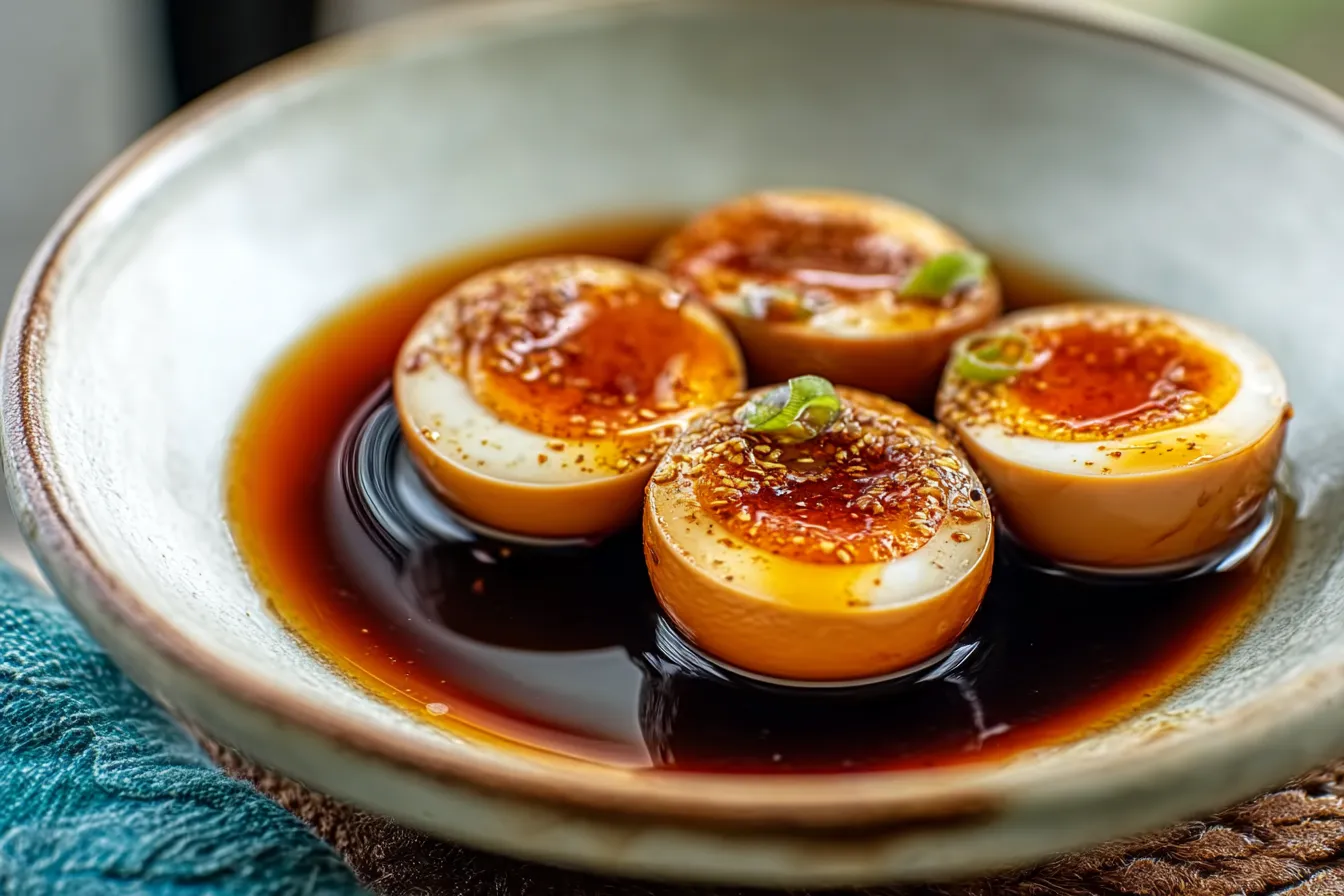
Have you ever wondered why simple ingredients can create such extraordinary flavors? The humble soy sauce egg is a wonderful example of this culinary magic, and it challenges the perception that gourmet foods must be complicated. In this blog post, we will explore the delightful world of Chinese soy sauce eggs, a perfect blend of taste and simplicity. Not only is this recipe easy enough for beginners, but it’s also a fantastic dish that brings cozy, nostalgic flavors to your table. Let’s dive into this savory dish that’s about to become your new favorite!
Ingredients List
To create those rich, delectable Chinese soy sauce eggs, gather the following ingredients:
- 6 large eggs – for the best flavor, use farm-fresh eggs if possible.
- 1/2 cup soy sauce – consider low-sodium soy sauce if you’re watching your salt intake.
- 1/4 cup water – this helps mellow the soy sauce flavor.
- 1 tablespoon sugar – brown sugar adds a deeper flavor, but granulated works too.
- 2 cloves garlic, minced – fresh garlic adds a punch of flavor.
- 1-inch piece ginger, sliced – for a refreshing kick.
- Optional spices: star anise or dried chili peppers for an added twist.
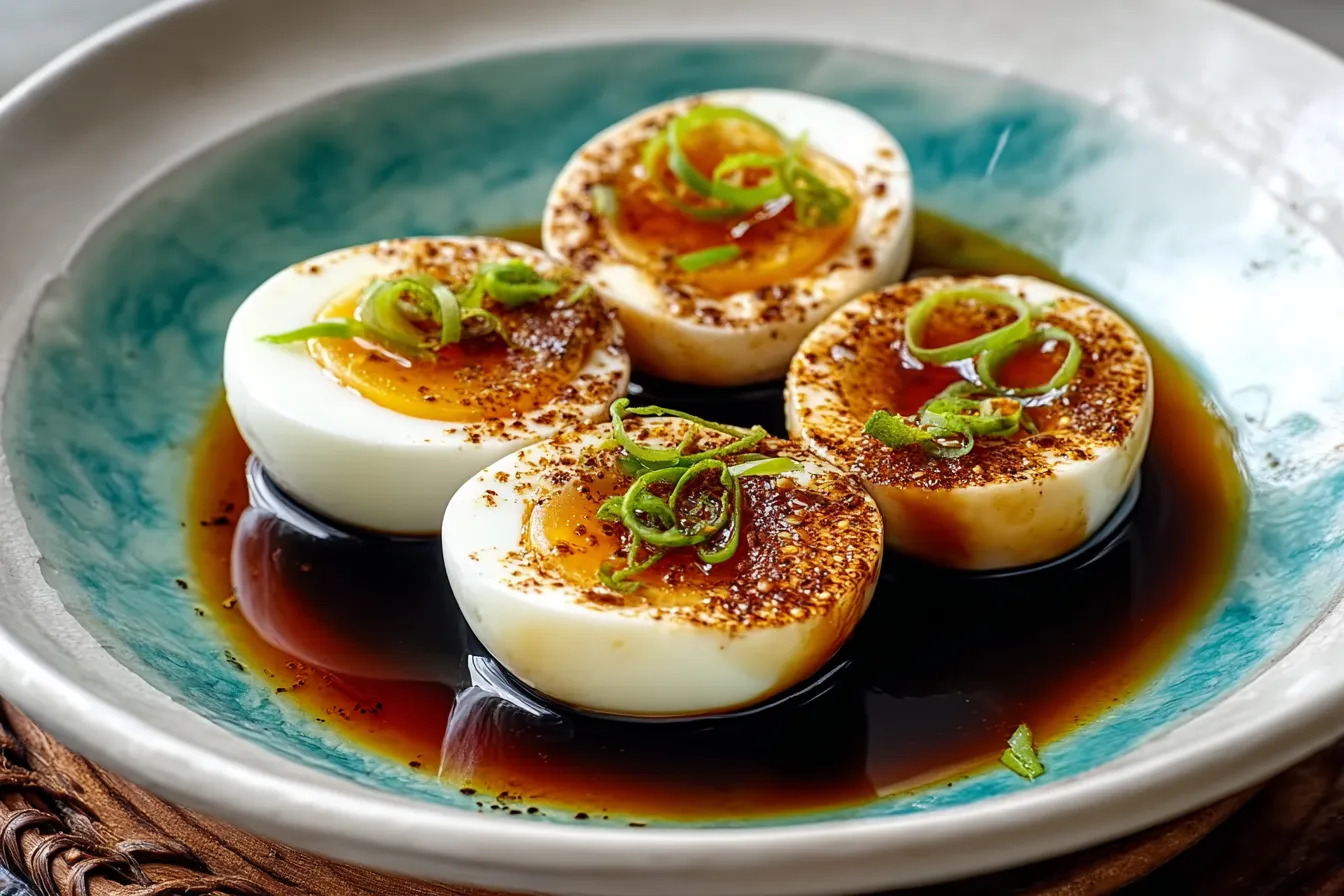
Feel free to get creative! Each ingredient has a unique profile that can be swapped out according to your taste buds and pantry availability.
Timing
Timing is crucial in cooking, and the preparation for Chinese soy sauce eggs is surprisingly quick. From start to finish, you can whip up this dish in about 45 minutes, which is significantly less time than the average recipe involving marinated eggs that might take hours! Here’s the breakdown:
- Preparation Time: 10 minutes
- Cooking Time: 35 minutes
This is ideal for busy weeknights or when you want to impress guests without spending all day in the kitchen.
Step 1: Boil the Eggs
Fill a saucepan with water, enough to cover the eggs completely. Gently add the eggs, bring the water to a boil, and once boiling, cover and reduce the heat to simmer for 8-10 minutes for hard-boiled eggs. If you prefer a softer yolk, aim for 6-7 minutes.
Step 2: Prepare the Soy Sauce Mixture
While the eggs are cooking, combine the soy sauce, water, sugar, minced garlic, and sliced ginger in a separate bowl. Stir well until the sugar dissolves completely, creating a rich marinade that will infuse flavor into the eggs.
Step 3: Cool and Peel the Eggs
Once the eggs are cooked to your desired doneness, remove them from the pot and place them in a bowl of ice water to cool for about five minutes. This makes peeling much easier. Gently tap the eggs on a hard surface and peel them under running water if needed.
Step 4: Marinate the Eggs
After peeling, place the eggs in the soy sauce mixture, ensuring they are fully submerged. If you’d like to add additional flavor, throw in an optional star anise or chili peppers. Let the eggs marinate for at least 30 minutes, or overnight in the fridge for an even deeper flavor.
Step 5: Serve and Enjoy
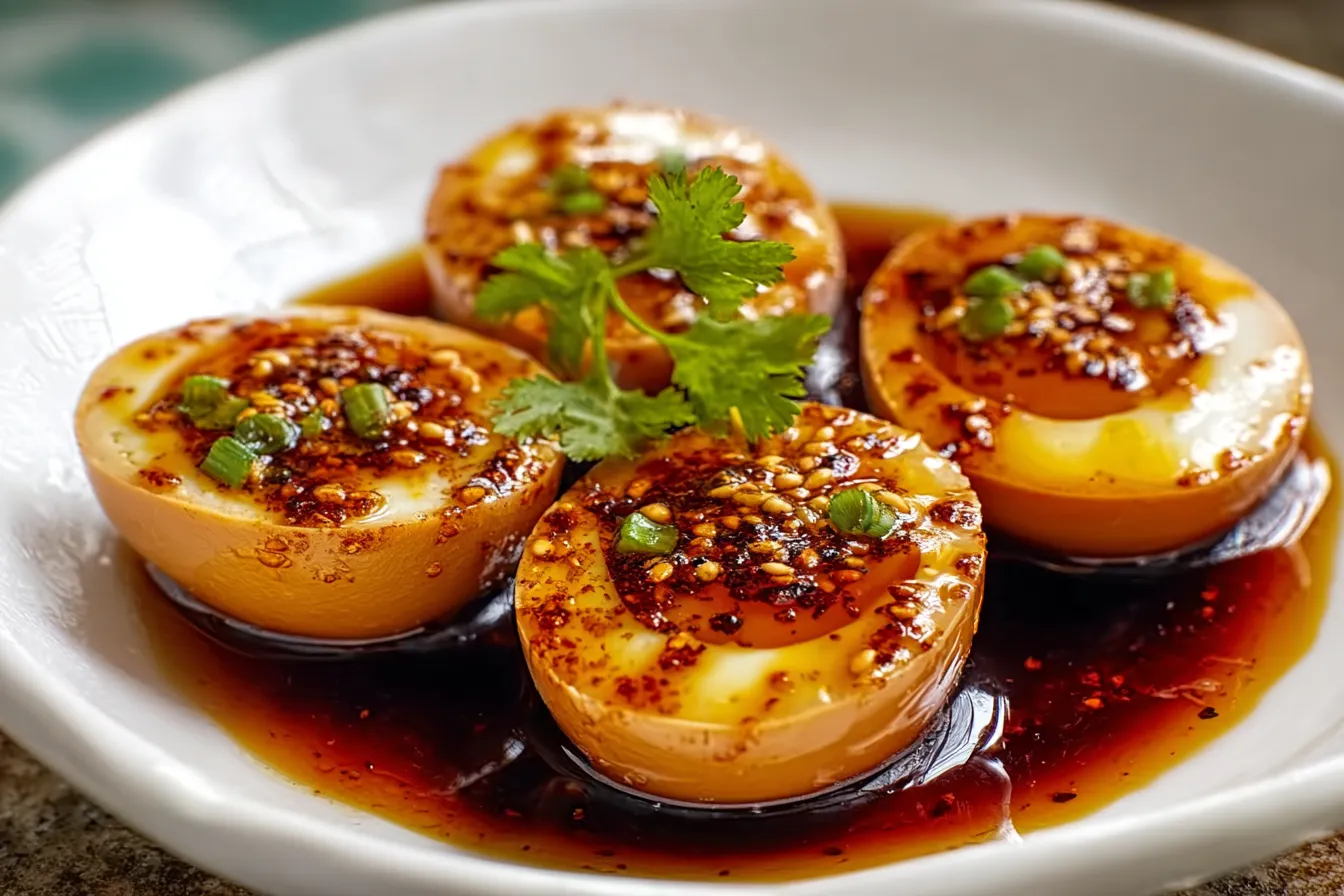
Once they’re done marinating, remove the eggs and slice them in half to showcase that beautiful, silky yolk. Serve them as a side dish, snack, or atop steamed rice for a complete meal. The soy sauce eggs will have a beautiful, glossy finish—perfect for impressing guests!
Nutritional Information
Understanding the nutritional value of your food can greatly enhance your cooking experience. Here’s the nutritional breakdown per serving (2 eggs):
- Calories: 204
- Protein: 12g
- Total Fat: 10g
- Saturated Fat: 3g
- Carbohydrates: 10g
- Sugar: 2g
- Sodium: 800mg (using regular soy sauce)
This information emphasizes that this dish, while flavorful, should be consumed in moderation, especially for those mindful of sodium intake.
Healthier Alternatives for the Recipe
For those seeking a little healthier twist on the traditional soy sauce eggs, consider the following substitutions:
- Use organic eggs to enhance flavor and nutritional content.
- Replace regular soy sauce with low-sodium or tamari for gluten-free options.
- Try substituting sugar with honey or a sugar alternative to reduce empty calories.
- Add more fresh herbs, like green onion or cilantro, to enhance taste without adding calories.
These small changes retain the essence of the dish while contributing to better overall health.
Serving Suggestions
Ready to serve your Chinese soy sauce eggs? Here are some delightful suggestions for presenting and enjoying this dish:
- Serve the eggs over a bed of steamed jasmine rice, drizzled with extra soy sauce.
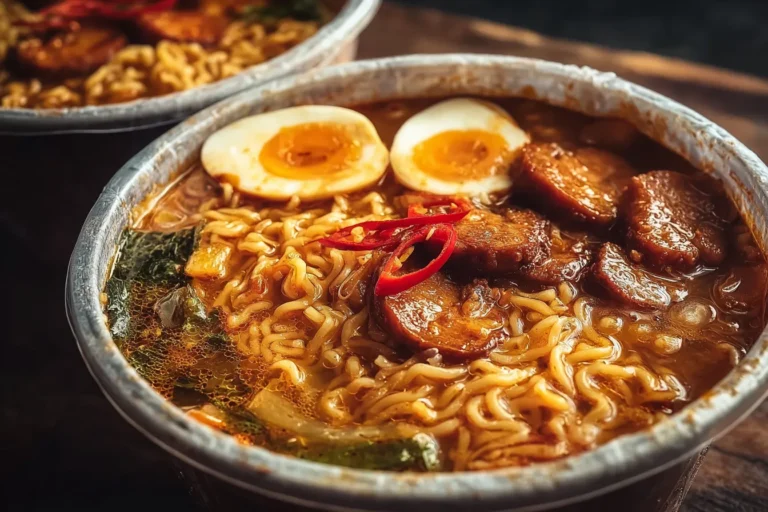
- Chop the eggs into quarters and include them in a ramen bowl for added protein.
- Pair the eggs with a fresh vegetable salad to balance the rich flavors.
- Consider serving with pickled vegetables for a perfect contrast in flavors and textures.
Feel free to mix and match these serving ideas to create an unforgettable meal that suits any occasion!
Common Mistakes to Avoid
Even simple recipes can have their pitfalls. Here are some common mistakes to watch out for while making Chinese soy sauce eggs:
- Overcooking the eggs can lead to a greenish-grey ring around the yolk, indicating overcooked protein.
- Skimping on the marinade time can result in bland eggs; aim for a longer soak if you have time.
- Using poor-quality soy sauce can dampen the overall flavor; invest in a good brand.
- Neglecting to cool the eggs in ice water can make peeling challenging.
By avoiding these mistakes, you’ll be well on your way to a perfect batch of soy sauce eggs every time!
Storing Tips for the Recipe
If you happen to have leftovers or want to prep in advance, here are some essential storage tips:
- Store marinated eggs in an airtight container in the refrigerator for up to one week.
- Unpeeled eggs can typically last up to a week in the fridge, but once peeled, consume them within 3 days for optimal freshness.
- Refrigerate the soy sauce marinade if you have extra; it can be reused for other dishes or additional eggs.
Remember, proper storage ensures that you can enjoy these flavors for days!
Conclusion
Chinese soy sauce eggs are not only simple to make but also packed with flavor and versatility. With just a few ingredients, you can create a dish that tantalizes the taste buds and satisfies the soul. We encourage you to give this recipe a try and share your experiences in the comments below. Don’t forget to subscribe for more delightful recipes and cooking tips!
FAQs
A: Can I use quail eggs instead of chicken eggs?
Absolutely! Quail eggs will provide a charming, bite-sized version of the dish. Just keep in mind that quail eggs will need less cooking time, about 4-5 minutes for hard-boiled.
B: Can I make this recipe ahead of time?
Yes, these eggs can be made ahead of time and are great for meal prep. Just marinate them and keep them in the fridge until you’re ready to serve.
C: What can I serve with soy sauce eggs?
These eggs pair wonderfully with steamed rice, ramen noodles, or as a tasty addition to salads. They can also be enjoyed as a flavorful snack on their own!
D: How do I make this dish vegetarian?
To create a vegetarian version of soy sauce eggs, you can replace eggs with firm tofu. Marinate the tofu in the same soy sauce mixture for a deliciously unique dish.
E: Are there any allergenic concerns with this recipe?
The primary allergenic concern here is soy, found in soy sauce. Consider using tamari or coconut aminos for a gluten-free or soy-free alternative.
Print
chinese soy sauce eggs
- Total Time: 45 minutes
- Yield: 3 servings 1x
Description
Discover the rich flavor of Chinese soy sauce eggs, a delicious culinary delight perfect for enhancing any meal. Quick & easy to make! (151 chars)
Ingredients
Instructions
Notes
Explore the delightful world of Chinese soy sauce eggs, a perfect blend of taste and simplicity. This easy recipe brings cozy, nostalgic flavors to your table.
- Prep Time: 10 minutes
- Cook Time: 35 minutes
- Category: Main Dish
- Cuisine: Chinese
Nutrition
- Serving Size: 3 servings
- Calories: 204
- Sugar: 2g
- Fat: 10g
- Carbohydrates: 10g
- Fiber: 0g
- Protein: 12g