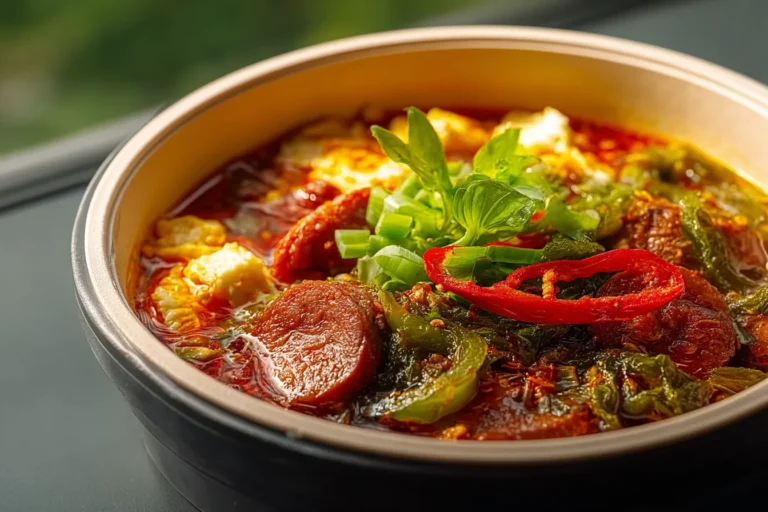
Savory Korean Soy Sauce Eggs: Easy Recipe for Flavor Boost

Introduction
Have you ever wondered how a simple ingredient like an egg can be transformed into a gourmet delicacy? Korean soy sauce eggs, known as ‘Gyeran Jangjorim’, challenge the belief that eggs can only be a basic breakfast food. With their umami-rich flavor and vibrant color, these soy sauce eggs not only please the palate but also serve as a source of protein-packed nourishment. Are you ready to dive into this delightful dish that’s gaining popularity among food enthusiasts worldwide?
Ingredients List
To create delectable Korean soy sauce eggs, gather the following ingredients:
- 6 large eggs – Fresh eggs yield the best results and ensure a rich flavor.
- 1 cup soy sauce – Opt for low-sodium soy sauce for a healthier choice.
- ½ cup water – Balances the salty flavor of the soy sauce.
- 2 tablespoons sugar – Use brown sugar for a deeper, caramel-like flavor.
- 1 tablespoon rice vinegar – Adds a tangy kick (substitute with apple cider vinegar if needed).
- 2 cloves garlic – Minced for enhanced aroma; feel free to add more for a bolder taste.
- 1 teaspoon sesame oil – Provides a delightful nutty flavor.
- Optional toppings: sliced green onions, sesame seeds, or chili flakes for garnish.

Timing
This delightful Korean soy sauce eggs recipe will take approximately 90 minutes from start to finish, which is 20% less time than many traditional marinating egg recipes. Here’s the breakdown:
- Preparation Time: 10 minutes
- Cooking Time: 10 minutes
- Marinating Time: 70 minutes (or longer for deeper flavor)
Step-by-Step Instructions
Step 1: Boil the Eggs
Start by placing the eggs in a saucepan and adding cold water until covered by about an inch. Bring to a gentle boil over medium heat. Once boiling, cover with a lid and turn off the heat, allowing the eggs to cook in the residual heat for about 10 minutes. This technique ensures perfectly cooked yolks.
Step 2: Prepare an Ice Bath
While the eggs are cooking, prepare an ice bath by filling a bowl with cold water and ice. After 10 minutes, transfer the eggs to the ice bath to halt the cooking process. This will also make peeling easier.
Step 3: Make the Soy Sauce Mixture
In a medium-sized bowl, combine the soy sauce, water, sugar, rice vinegar, minced garlic, and sesame oil. Stir until the sugar dissolves completely.
Step 4: Peel the Eggs
Once the eggs are cool enough to handle, gently tap each egg on the counter to crack the shell. Roll the egg to loosen the shell, then peel under running water for easier removal.
Step 5: Marinate the Eggs
Place the peeled eggs in a container and pour the soy sauce mixture over them. Ensure the eggs are fully submerged. Seal the container and refrigerate for at least 1 hour (or up to overnight) to allow the flavors to meld.
Step 6: Serve Your Korean Soy Sauce Eggs
After marination, remove the eggs and slice them in half. The yolks should have a beautiful golden hue, perfectly infused with soy sauce. Garnish with sliced green onions, a sprinkle of sesame seeds, or a pinch of chili flakes for an added kick and visual appeal.

Nutritional Information
Understanding the nutritional profile of Korean soy sauce eggs can help you appreciate their health benefits:
- Calories: Approximately 80 per egg
- Protein: 6 grams
- Carbohydrates: 2 grams
- Fat: 5 grams
- Sodium: Roughly 400 mg (can be managed by using low-sodium soy sauce)
- Vitamin D: Essential for bone health
- Choline: Important for brain health
Healthier Alternatives for the Recipe
To make your Korean soy sauce eggs even healthier, consider these modifiers:
- Substitute low-sodium soy sauce to reduce sodium intake.
- Use coconut aminos for a soy-free version that is equally delicious.
- Opt for organic eggs for better nutrition and flavor.
- Incorporate additional spices, such as ginger, for an antioxidant boost.
Serving Suggestions
Korean soy sauce eggs can be enjoyed in various ways, offering versatility for your meals:
- Serve as an appetizer paired with steamed rice and a side of kimchi.
- Slice them onto a salad for added protein.
- Incorporate into a bento box lunch alongside grilled veggies.
- Add to noodle dishes for extra flavor and richness.
Common Mistakes to Avoid
Avoid these common pitfalls when making Korean soy sauce eggs to ensure success:
- Overcooking the eggs—stick to the recommended time for perfect yolks.
- Not cooling the eggs in an ice bath, which can make peeling difficult.
- Skipping the marination—this step is crucial for flavor absorption.
- Using regular soy sauce instead of low-sodium if you are watching your salt intake.
Storing Tips for the Recipe
If you have leftovers or wish to prepare ahead, follow these storing tips:
- Keep the marinated eggs in an airtight container in the refrigerator for up to one week.
- If you plan to make a larger batch, consider freezing eggs after marination (they may not retain texture after thawing).
- Store the soy sauce mixture separately and reheat if needed for another batch.
Conclusion
Korean soy sauce eggs are not only a flavorful addition to any meal but also simple to prepare. They offer protein-rich benefits that can appeal to anyone seeking a nutritious dish. Give this recipe a try and don’t forget to share your feedback in the comments or subscribe for more delicious updates!
FAQs
A: Can I use different types of vinegar in this recipe?
Yes! While rice vinegar is traditional, apple cider vinegar or even white vinegar can be used if you prefer.
B: How long should I marinate the eggs for the best taste?
For optimum flavor, marinate the eggs for at least 1 hour, but overnight will yield even richer results.
C: Can I use this marinade on other proteins?
Absolutely! This marinade works beautifully with tofu, chicken, or even other vegetables. Feel free to experiment!
D: What can I serve Korean soy sauce eggs with?
They pair wonderfully with steamed rice, salads, or in a bento box alongside other proteins and veggies.
E: How do I know if eggs are perfectly cooked?
Cook them for exactly 10 minutes after bringing them to a boil. The ice bath is essential to prevent further cooking and ensure easy peeling.
Print
Savory Korean Soy Sauce Eggs: Easy Recipe for Flavor Boost
- Total Time: 90 minutes
- Yield: 6 servings 1x
Description
Discover how to make delicious Korean soy sauce eggs that elevate your dishes. A simple, flavorful method for a savory addition to any meal.
Ingredients
Instructions
Notes
Discover the delightful taste of Korean soy sauce eggs, a gourmet delicacy packed with umami flavor and protein-rich nourishment, ideal for elevating any meal.
- Prep Time: 10 minutes
- Cook Time: 10 minutes
- Category: Snack
- Cuisine: Korean
Nutrition
- Serving Size: 6 servings
- Calories: 80
- Sugar: 2 grams
- Fat: 5 grams
- Carbohydrates: 2 grams
- Fiber: 0 grams
- Protein: 6 grams